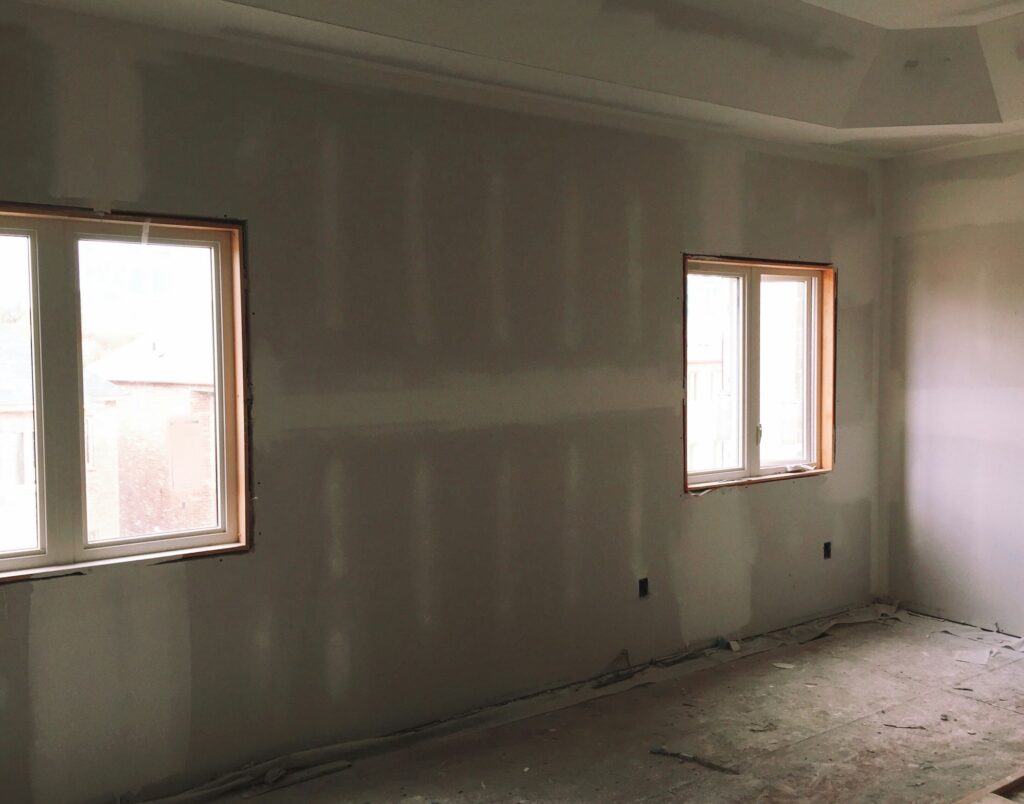
Are you ready to delve into the fascinating world of drywall? In this comprehensive guide, we’ll take you on a journey through the ins and outs of drywall, covering everything from the installation process to common repairs and innovative techniques for modern homes. Whether you’re a seasoned DIY enthusiast or a homeowner looking to understand more about this essential building material, you’re in the right place. Let’s dive in!
Understanding Drywall:
Drywall, also known as gypsum board or plasterboard, is a versatile building material used to create interior walls and ceilings in residential and commercial construction. It consists of gypsum plaster sandwiched between layers of paper, providing a smooth, durable surface for painting or wallpapering.
The Installation Process:
Installing drywall is a crucial step in the construction or renovation of any building. The process involves several key steps:
Measurement and Cutting: Before installation, drywall panels must be measured and cut to fit the dimensions of the walls or ceilings. This ensures a precise fit and minimizes waste.
Hanging: Once cut, the drywall panels are lifted into place and secured to the framing using screws or nails. Care must be taken to ensure the panels are properly aligned and spaced for a seamless finish.
Taping and Mudding: After the drywall panels are hung, joints and seams are covered with joint tape and joint compound, also known as mud. This process, known as taping and mudding, creates a smooth surface and hides imperfections in the drywall.
Sanding and Finishing: Once the joint compound has dried, the drywall is sanded to create a smooth, even surface. Additional coats of joint compound may be applied as needed to achieve the desired finish.
Priming and Painting: Finally, the drywall is primed and painted to protect the surface and enhance its appearance. Proper priming and painting techniques are essential for achieving professional-looking results.
Common Repairs:
Despite its durability, drywall can sustain damage over time from impacts, moisture, or settling of the building structure. Common repairs include:
- Patch Repair: Small holes or dents in drywall can be easily patched using joint compound and a patching kit.
- Crack Repair: Cracks in drywall can be repaired by filling them with joint compound and applying joint tape to reinforce the area.
- Water Damage Repair: Drywall that has been damaged by water leaks or flooding may need to be replaced to prevent mold and structural issues.
Innovative Techniques for Modern Homes:
As technology and construction methods evolve, so do innovative techniques for working with drywall. Some of the latest advancements include:
- Soundproofing Drywall: Specialized soundproofing drywall panels are available to reduce noise transmission between rooms, ideal for home theaters or bedrooms.
- Fire-Resistant Drywall: Fire-resistant drywall is designed to slow the spread of flames in the event of a fire, providing added safety and protection for homeowners.
- Mold-Resistant Drywall: Mold-resistant drywall is formulated to resist moisture and mold growth, making it ideal for humid environments such as bathrooms and basements.
Conclusion:
Mastering drywall installation and repair is essential for any homeowner or contractor involved in construction or renovation projects. By understanding the installation process, common repairs, and innovative techniques for modern homes, you can ensure that your drywall projects are completed with precision and quality craftsmanship. Whether you’re hanging a new drywall panel or patching a small hole, attention to detail and proper technique are key to achieving professional-looking results.
We hope this guide has provided valuable insights into the world of drywall and inspired you to tackle your next project with confidence. Remember, if you ever need assistance with drywall installation or repair, the experts at Essentia Construction are here to help. Contact us today to learn more about our drywall services and schedule your consultation.