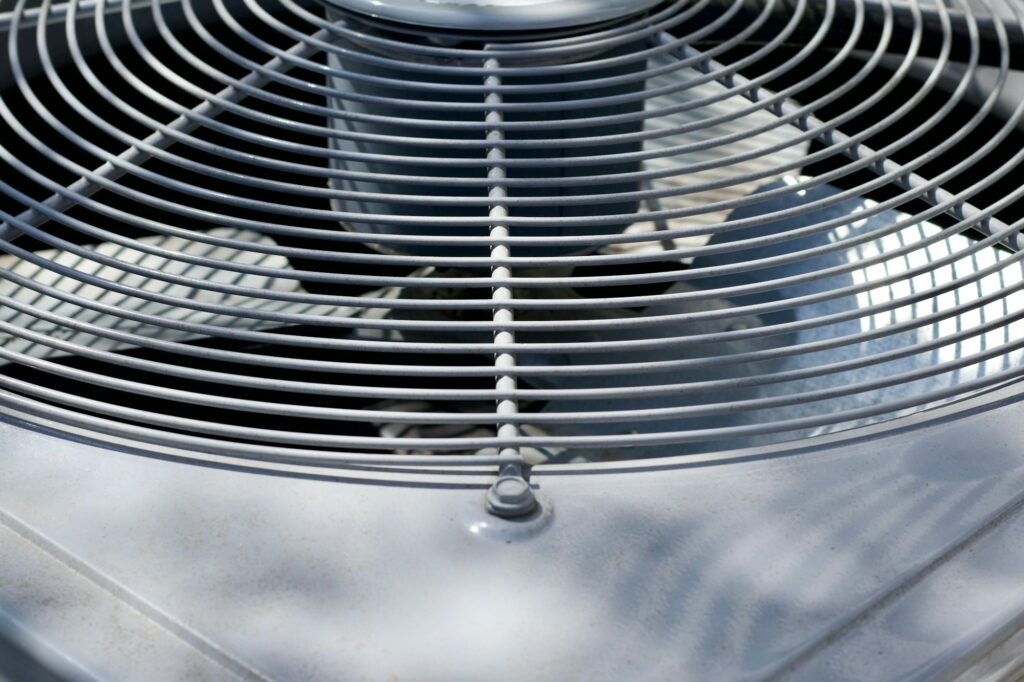
Maintaining good indoor air quality is crucial for a healthy and comfortable living environment. Many homeowners are unaware that their HVAC (Heating, Ventilation, and Air Conditioning) systems play a significant role in ensuring the air they breathe is clean and free from pollutants. Upgrading your HVAC system can significantly improve indoor air quality, making your home a healthier place for you and your family. In this blog post, we will explore the importance of indoor air quality, common indoor pollutants, and how specific HVAC upgrades can enhance the air you breathe.
The Importance of Indoor Air Quality
Indoor air quality (IAQ) affects the health and well-being of occupants. Poor IAQ can lead to a range of health issues, including allergies, asthma, respiratory infections, and even more severe conditions like heart disease. Children, the elderly, and individuals with pre-existing health conditions are particularly vulnerable to the effects of poor air quality. Ensuring clean air indoors is essential for maintaining good health and comfort.
Common Indoor Pollutants
Several pollutants can affect indoor air quality, including:
- Dust and Dust Mites: Common allergens that can cause respiratory issues.
- Pet Dander: Small particles from pets’ skin, fur, and feathers that can trigger allergies.
- Mold and Mildew: Can grow in damp areas and release spores into the air, causing respiratory problems.
- Pollen: Can enter homes through open windows and doors, causing allergic reactions.
- Volatile Organic Compounds (VOCs): Emitted by household products like paints, cleaning supplies, and building materials, VOCs can cause headaches, dizziness, and other health issues.
- Tobacco Smoke: Contains harmful chemicals that can cause serious health problems.
- Radon: A naturally occurring radioactive gas that can enter homes through cracks in the foundation and is a leading cause of lung cancer.
HVAC Upgrades to Improve Indoor Air Quality
Upgrading your HVAC system can significantly improve indoor air quality by reducing the concentration of pollutants and providing better ventilation. Here are some HVAC upgrades to consider:
1. High-Efficiency Air Filters
Standard air filters in HVAC systems are designed to protect the equipment from dust and debris but may not effectively capture smaller particles that affect IAQ. Upgrading to high-efficiency air filters, such as HEPA (High-Efficiency Particulate Air) filters, can remove up to 99.97% of airborne particles, including dust, pollen, mold spores, and pet dander. This upgrade can significantly reduce allergens and improve air quality.
2. UV Germicidal Lights
Ultraviolet (UV) germicidal lights can be installed within the HVAC system to kill bacteria, viruses, and mold spores that pass through the air handler or ductwork. These lights help prevent microbial growth on HVAC components, which can otherwise be a source of contaminants. UV lights improve air quality and enhance the efficiency and lifespan of your HVAC system by keeping it clean.
3. Whole-House Humidifiers and Dehumidifiers
Maintaining proper humidity levels is essential for good indoor air quality. High humidity can promote mold and dust mite growth, while low humidity can cause dry skin, irritated respiratory passages, and increased static electricity. Whole-house humidifiers and dehumidifiers integrated with your HVAC system can help maintain optimal humidity levels, making your home more comfortable and reducing the risk of allergens and respiratory issues.
4. Energy Recovery Ventilators (ERVs) and Heat Recovery Ventilators (HRVs)
ERVs and HRVs improve ventilation by exchanging stale indoor air with fresh outdoor air while maintaining energy efficiency. These systems transfer heat and moisture between incoming and outgoing air streams, balancing indoor humidity levels and reducing energy loss. Improved ventilation helps remove indoor pollutants and brings in fresh air, enhancing overall IAQ.
5. Duct Cleaning and Sealing
Over time, dust, dirt, and allergens can accumulate in your HVAC ductwork, reducing system efficiency and negatively impacting IAQ. Professional duct cleaning removes these contaminants, improving airflow and air quality. Additionally, sealing leaks in the ductwork ensures that air circulates properly and prevents contaminants from entering the ducts.
6. Air Purifiers
Standalone or integrated air purifiers can further enhance IAQ by removing particles, VOCs, and other pollutants from the air. Some advanced air purifiers use technologies like activated carbon, ionization, and photocatalytic oxidation to neutralize harmful substances, providing cleaner and healthier indoor air.
Regular Maintenance for Optimal Performance
In addition to upgrading your HVAC system, regular maintenance is crucial for optimal performance and IAQ. Schedule routine inspections and servicing to ensure your system operates efficiently and effectively. Replace air filters regularly, clean coils and other components, and address any issues promptly to maintain good indoor air quality.
Conclusion
Improving indoor air quality is essential for a healthy and comfortable living environment. Upgrading your HVAC system with high-efficiency air filters, UV germicidal lights, whole-house humidifiers and dehumidifiers, ERVs and HRVs, duct cleaning and sealing, and air purifiers can significantly enhance the air you breathe. Regular maintenance ensures your system operates at its best, providing clean, fresh air for you and your family. Invest in these HVAC upgrades to create a healthier home and enjoy the benefits of improved indoor air quality.
For more information, call us at (470) 847-7788 to schedule your free quote today!